OutcomeOps at Home: Owning the Weak Links
At Amazon the mantra was clear: it's not if prod crashes or you get hacked it's when.
Same thing at home: it's not if someone tries your door, it's when.
I learned that the hard way when my sister opened the door to a late-night knock. A woman stood there, harmless-looking, and the second the door cracked two men rushed in with a gun to her head. A classic "knock and rush" invasion. The weak link wasn't the hardware. It was the human factor.
That's why I design my home the same way I design cloud platforms: for resilience, survivability, and outcomes.
OutcomeOps at Home Means Owning the Weak Links
OutcomeOps isn't about tools or ceremony. It's about the result.
In cloud, people love to list their stack: GuardDuty on, Datadog dashboards live, WAF enabled. Great, but if IAM is wide open or nobody responds to alerts, the outcome (prevent breach) fails.
At home, it's the same story. You can buy security cameras, alarms, even damn $2,000 security screens. Impressive, but meaningless if the outcome still breaks.
My outcome was simple: prevent a home invasion.
The weak link? My mom couldn't even lock the damn screen door. The latch was a tiny diamond knob that looked "secure" but was unusable for an 82-year-old. That's the equivalent of a wide-open IAM policy. The system failed at the user.
OutcomeOps means finding that friction point, owning it, and fixing it.
Silos Kill Outcomes
Here's the corporate parallel most people miss: at home, I own the whole outcome.
Sure, I had Boss Security Screens install the hardware. But I also mounted the Nest cameras, drove 4.5″ screws into the strike plates, and reinforced hinges myself. I don't care if it's "my job" or not if it impacts the outcome, I own it.
My "customer" (my mom) gave feedback: she couldn't work the latch. That wasn't her problem. That was my outcome failing. So I fixed it.
Now compare that to corporate America. Everyone operates in silos:
- •Security runs vulnerability scans but misses alerts.
- •Cloud Engineering sets up infrastructure but skips compliance.
- •Product chases features but ignores unpatched libraries.
But who owns prevent breach? No one. That's why tickets languish, why Java libraries stay unpatched until it's an emergency, why security only moves when someone escalates to a VP.
OutcomeOps fixes this by making engineers responsible for the result, not just the task.
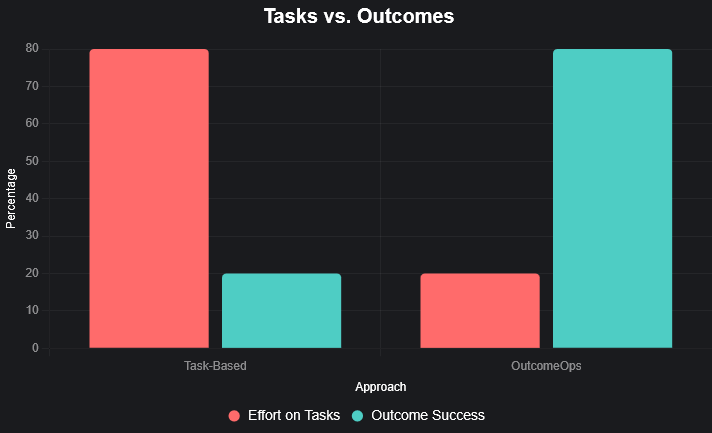
Engineering the Fix
Back to the latch. Boss shipped an expensive but unusable design. So I hacked it.
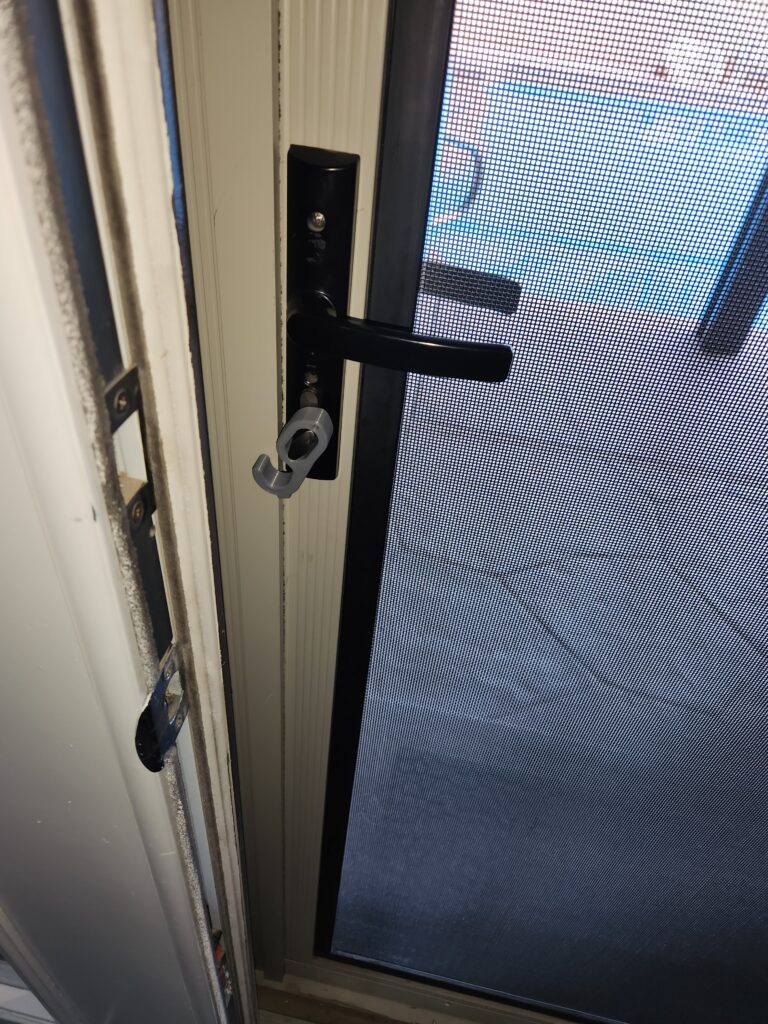
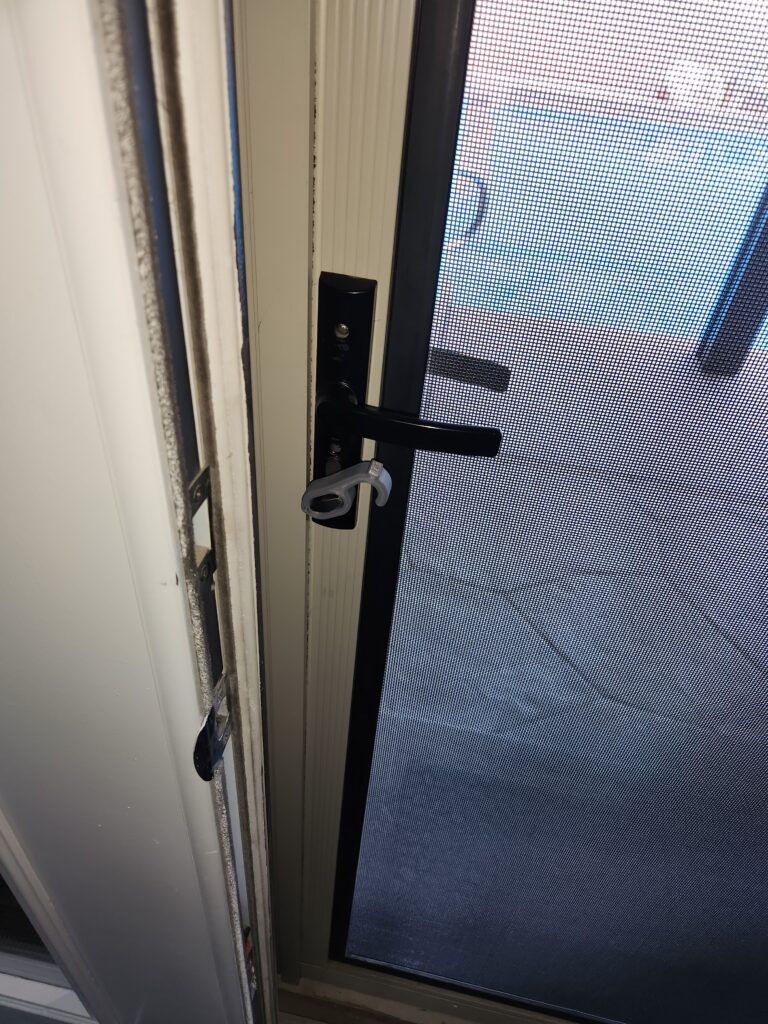
I grabbed a COVID-era "no touch" door opener off Thingiverse (Easy Grip No Touch Door Opener) measured the latch with digital calipers, shrunk the model, and started printing prototypes.
- •Rapid iteration: 15% infill prints for quick tests.
- •Tight feedback loops: My mom tested each one. I adjusted until it fit her hand.
- •Durability for production: Final print at 50% infill. That was four years ago. Zero wear.
- •Better UX: Snap-on cover turns the tiny diamond into a lever. Now she locks it with a flick of her finger.
Even the Boss installers asked: "What is this?"
It was simple: the missing UX layer that actually delivered the outcome.
The Hacker Mindset
OutcomeOps isn't just about strong systems it's about usable systems. Strength without usability fails.
That's why I hacked the latch. A $2K screen meant nothing if my mom couldn't lock it. Same thing in the enterprise: the strongest guardrails collapse if developers route around them because they're slow, clunky, or confusing.
Security doesn't fail at the lock. It fails at the user. If people can't or won't use it, the outcome is broken.
Wrapping It Up
At home, the outcome is simple: prevent a home invasion.
And I don't measure success by how much I spent or how many tools I bought. I measure it by whether my mom can lock the door every single time.
That's the same lesson companies need to learn. You can spend millions on scanners, CI/CD, and compliance tools, but if nobody owns the outcome, you're just doing process theater.
OutcomeOps is about owning the result end-to-end. Seeing the weak links, closing the gaps, and iterating until the outcome holds.
Because whether it's cloud platforms or home security, one truth doesn't change:
- •The outcome is all that matters.
- •It's not if you get tested, it's when.
What's the weak link in your system, cloud or home that's breaking your outcome?
And more importantly: how are you going to own the fix?
OutcomeOps: The Future of AI Engineering
Opens Substack in a new tab to confirm. No spam — unsubscribe anytime.
Enterprise Implementation
The Context Engineering methodology described in this post is open source. The production platform with autonomous agents, fully private air-gapped deployment, and compliance features is available via enterprise engagements.
Learn More